When a road incident leaves you frustrated, you might ask, “¿Cómo se presenta una queja formal contra un conductor?” The answer isn’t a mystery, but it does require a bit of preparation and knowledge of the proper channels. This article walks you through the process, from gathering evidence to submitting your complaint, all while keeping the tone professional yet approachable—and a touch of humor to keep you from feeling like you’re stuck in traffic.
Understanding Why a Formal Complaint Matters
A formal complaint is more than a piece of paper; it’s a tool that can hold a driver accountable, help prevent future incidents, and sometimes even result in compensation. Think of it as the legal equivalent of a traffic cop’s whistle—clear, decisive, and aimed at restoring order.
- Legal recourse: A documented complaint can lead to civil or criminal action. Insurance implications: Insurers use formal complaints to verify claims. Public safety: Reporting dangerous driving helps authorities take preventive measures.
If you’re wondering whether it’s worth the effort, remember the words of former U.S. Supreme Court Justice Ruth Bader Ginsburg: “The arc of the moral universe is long, but it bends toward justice.” Your complaint could be the next bend.
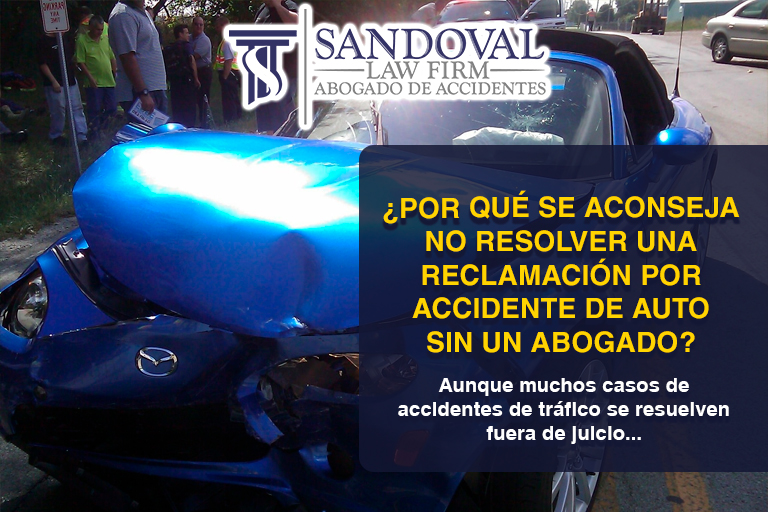
Gathering Evidence Before Filing
You can’t file a complaint without proof. Think of evidence as the fuel that keeps the complaint engine running smoothly.
Types of Evidence
- Photographs or videos: Capture the vehicle, license plate, and any visible damage. Witness statements: Get names, contact info, and a brief description of what they saw. Police reports: If law enforcement was called, obtain a copy. Medical records: If you sustained injuries, include documentation. Receipts or invoices: For any repair costs or medical expenses.
Practical Tips
- Act quickly: Memories fade faster than a car’s fuel gauge empties. Use a phone app: Many smartphones now allow you to tag photos with location and time automatically. Keep originals: Scan or photograph documents, but retain the hard copies for the record.
Anecdote: Last month, Maria, a delivery driver, found herself at the center of a hit‑and‑run. By snapping a photo of the skid marks and gathering a neighbor’s testimony, she secured a full settlement within weeks. Her lesson? “If you want justice, start with evidence—like a good GPS, but for your rights.”
Step‑by‑Step Guide to Filing the Complaint
Now that you’ve assembled your evidence, it’s time to put the paperwork in motion. The process varies slightly by jurisdiction, but the core steps remain consistent.

1. Identify the Correct Authority
- Local police department: For immediate incidents. Department of Motor Vehicles (DMV): For driver license suspensions. Insurance company: If the incident involves a claim. State or national traffic safety board: For serious offenses or patterns of dangerous driving.
2. Complete the Complaint Form
Most agencies provide a standardized form. When filling it out:
- Use clear, concise language. Attach evidence: Label each attachment (e.g., “Photo_1.jpg – skid marks”). Include a timeline: List dates and times in chronological order.
3. Submit the Complaint
- Online portals: Many jurisdictions now offer digital submission. In person: Bring printed copies to the police station or DMV office. Mail: If digital options aren’t available, send a certified letter.
4. Follow Up
- Confirmation receipt: Ensure you get a reference number. Ask for a timeline: How long will the investigation take? Keep records: Store copies of all correspondence.
Rhetorical question: Have you ever felt like you’re stuck in a bureaucratic traffic jam? Filing the complaint properly can actually help you dodge those red lights.
After Filing – What to Expect
Once the complaint is in the system, the real work begins. Investigations can https://brockmanlaw.s3.us.cloud-object-storage.appdomain.cloud/brockmanlawyer/injury-attorney/donde-se-puede-obtener-la-valoracion-de-la-discapacidad-por-un-perito.html take anywhere from a few days to several months, depending on the case’s complexity.
Possible Outcomes
- Dismissal: If evidence is insufficient. Fines or penalties: For traffic violations or reckless driving. License suspension: In severe cases. Civil lawsuit: If you’re seeking damages.
Your Role
- Remain available: The investigating officer may need additional information. Stay organized: Keep all documents in a single folder—digital or physical. Seek legal advice: If the case escalates, a lawyer can help navigate the courtroom.
Tips to Strengthen Your Case
A strong complaint is like a well‑tuned engine: it runs smoothly and efficiently.
- Be precise: Vague statements can lead to dismissal. Use objective language: Stick to facts, not emotions. Include all relevant dates: Even seemingly minor details can matter. Get a professional opinion: An expert witness can lend credibility. Avoid social media drama: Keep the complaint strictly within official channels.
Metaphor: The Complaint as a Road Map
Think of your complaint as a Check out the post right here road map that guides the authorities from the incident to the resolution. Each piece of evidence is a landmark; each written statement is a direction. The clearer the map, the faster the destination is reached.
Final Reflections on the Complaint Process
The journey from incident to resolution is rarely a straight line—it’s more like a winding highway with occasional detours. By understanding the steps, gathering solid evidence, and filing the complaint correctly, you’re not just seeking justice; you’re contributing to safer roads for everyone.
Quote: “Justice is not a destination but a journey.” – Unknown
Take that first step today: collect your evidence, find the right authority, and submit your complaint. The road to justice may have bumps, but with the right preparation, you’ll arrive safely at your destination.